TL;DR
Security camera maintenance is essential for ensuring reliable surveillance, high quality video footage, and long term system performance. Regular tasks such as cleaning camera lenses, inspecting cables, verifying power supply stability, and updating firmware help prevent system downtime and security gaps. Businesses and homeowners should follow a structured CCTV maintenance checklist that includes daily, weekly, monthly, and annual inspections. Proper maintenance not only improves camera lifespan but also ensures your security system provides consistent protection.
Security cameras are no longer optional-they are essential tools for securing homes, offices, and public spaces. With the global video surveillance market projected to exceed $88 billion by 2030 (Security Industry Association), organizations and homeowners alike are investing heavily in CCTV and surveillance systems. However, the effectiveness of these systems depends not just on installation but on proper, ongoing maintenance. From preventing downtime to ensuring clear footage, routine care ensures that cameras perform reliably when they are needed most.
Security Camera Maintenance Overview
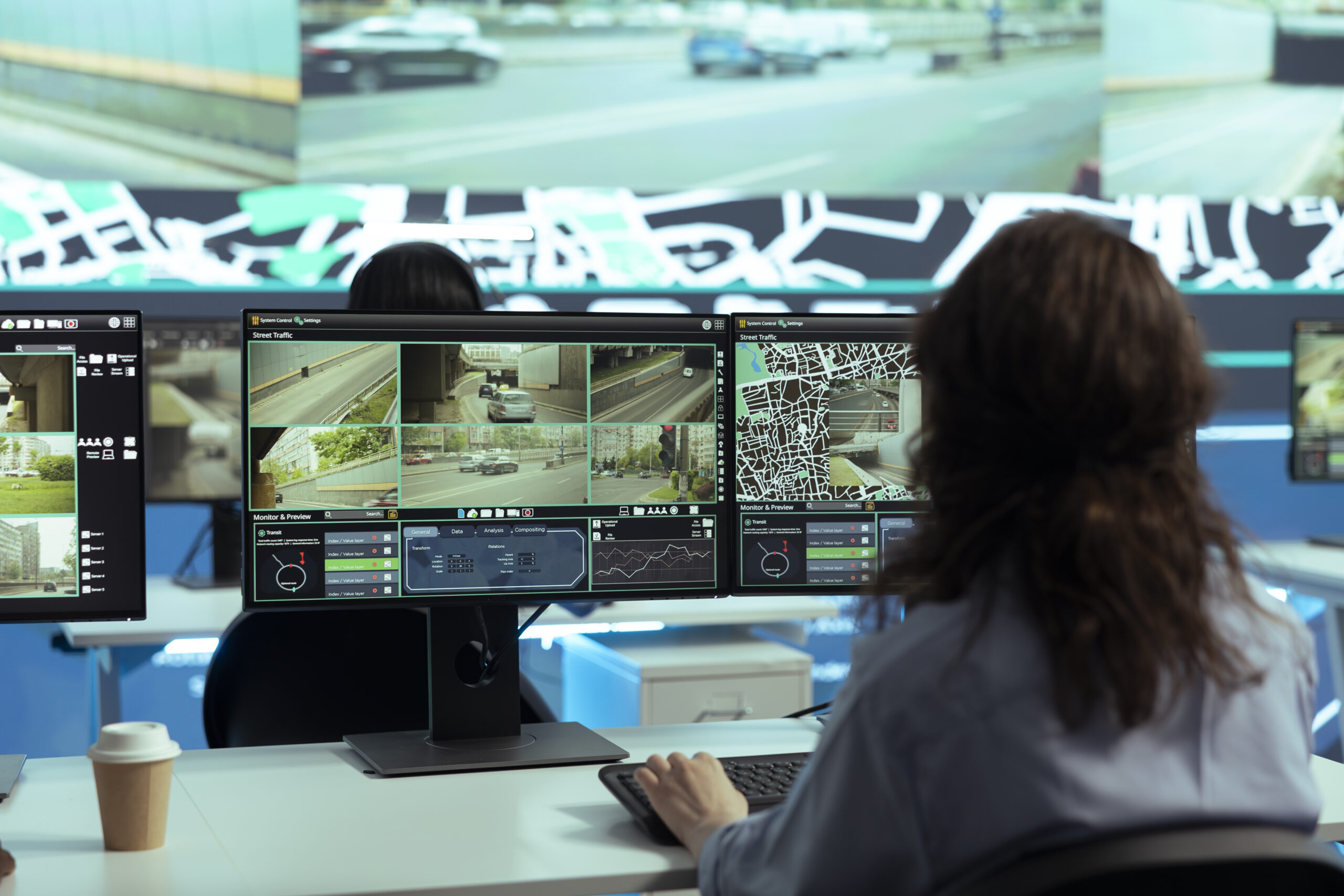
Security cameras have become an essential part of modern safety infrastructure. From residential homes to corporate offices and public spaces, surveillance systems help deter crime, monitor activity, and provide valuable evidence when incidents occur.
According to the Security Industry Association, the global video surveillance market is projected to exceed $88 billion by 2030 as businesses and homeowners continue investing in security technologies.
However, installing a surveillance system alone does not guarantee effective security. Without proper maintenance, even the most advanced CCTV cameras can experience issues such as blurry footage, connectivity problems, or unexpected system failures.
Over time, several factors can affect camera performance, including dust accumulation, environmental exposure, damaged cables, or outdated firmware. If these issues are not addressed promptly, they may reduce the reliability of your surveillance system and create security vulnerabilities.
Routine security camera maintenance helps ensure that your cameras continue to deliver clear images, reliable alerts, and uninterrupted monitoring.
A well maintained surveillance system offers several advantages:
- Improved video clarity
- Reduced system downtime
- Enhanced security coverage
- Longer equipment lifespan
- Better compliance with safety standards
Organizations that rely on surveillance technology should treat maintenance as a critical part of their security strategy.
For cybersecurity guidance related to surveillance systems, refer to resources from the National Institute of Standards and Technology: https://www.nist.gov
Why CCTV Maintenance Is Important
Common Surveillance Camera Problems
Even high quality surveillance systems can experience performance issues over time. Many of these problems develop gradually and may go unnoticed until the camera stops functioning correctly.
Many camera issues develop gradually and can be easily overlooked. A slight smudge on a lens, a frayed cable, or minor firmware glitches might not be noticeable during routine checks, but over time they can escalate into serious problems. Ignoring these small issues may result in blurred footage, missed alerts, or even complete camera failure at a critical moment. Recognizing and addressing common issues early is key to maintaining a dependable surveillance system.
Some of the most common surveillance camera problems include:
Dirty or Obstructed Camera Lenses
Dust, fingerprints, spider webs, and environmental debris can accumulate on camera lenses. This can significantly reduce image quality and make it difficult to identify details in recorded footage.
Power Supply Issues
An unstable power supply can cause cameras to shut down, restart unexpectedly, or stop recording video.
Loose or Damaged Cables
Cables that connect cameras to recorders or networks may become worn, loose, or damaged due to environmental exposure or physical movement.
Outdated Firmware
Security camera manufacturers regularly release firmware updates that improve performance and address vulnerabilities. Failing to install these updates can expose your system to security risks.
Environmental Damage
Outdoor cameras are exposed to harsh weather conditions such as rain, wind, heat, and dust. Over time, these factors can affect camera housings, connectors, and image sensors.
According to the Cybersecurity and Infrastructure Security Agency, outdated software and misconfigured devices are among the leading causes of security vulnerabilities in connected devices.
Benefits of Regular CCTV Maintenance
Regular maintenance ensures your surveillance system remains reliable and effective.
Here are the primary benefits of maintaining your CCTV cameras.
While the challenges above may seem daunting, the good news is that most of them can be prevented through consistent maintenance. Regular inspections, timely cleaning, and software updates not only prevent technical failures but also enhance the overall functionality of your security system. By understanding the benefits of routine upkeep, organizations and homeowners can make maintenance a priority rather than an afterthought.
Improved Image Quality
Clean lenses and properly aligned cameras capture sharper images and clearer video footage. This makes it easier to identify people, vehicles, or suspicious activity.
Reduced System Downtime
Routine inspections help identify potential problems before they cause system failures. This minimizes downtime and ensures continuous monitoring.
Extended Equipment Lifespan
Regular maintenance reduces wear and tear on cables, power supplies, and camera components. This extends the lifespan of your surveillance equipment and reduces replacement costs.
Enhanced Security Coverage
A well maintained surveillance system ensures that every camera is functioning properly and positioned correctly.
Compliance With Safety Standards
Many businesses must maintain operational surveillance systems to comply with industry regulations or insurance requirements.
Essential Security Camera Maintenance Tips

Maintaining a surveillance system does not always require complex technical expertise. Many routine tasks can be performed by homeowners or facility managers.
Maintaining a surveillance system does not require advanced technical expertise. Many critical tasks are simple and can be incorporated into daily, weekly, or monthly routines. From cleaning lenses to checking cables and verifying power supplies, a little consistent effort goes a long way in ensuring cameras function optimally. Let’s break down these essential maintenance practices step by step.
Checking the Power Supply
A stable power supply is essential for maintaining continuous surveillance.
Power interruptions can cause cameras to stop recording or disconnect from the monitoring system.
To ensure reliable power:
- Inspect power adapters and electrical connections
- Verify that power outlets are functioning correctly
- Check PoE switches if using Power over Ethernet cameras
- Test backup power systems such as UPS units
If a camera frequently goes offline, the issue may be related to an unstable power source.
Inspecting Cables and Connections
Cables are responsible for transmitting video signals from cameras to recording devices or network systems.
Damaged or loose cables can cause video interruptions, signal loss, or poor image quality.
During maintenance inspections:
- Check cables for signs of wear or fraying
- Ensure connectors are secure
- Look for corrosion or moisture damage
- Confirm proper cable routing and protection
Proper cable management improves system reliability and prevents unnecessary maintenance issues.
Updating Camera Firmware and Software
Firmware updates improve camera performance, add features, and fix security vulnerabilities.
Manufacturers regularly release updates that address issues such as:
- Security weaknesses
- Compatibility problems
- Software bugs
- Performance improvements
Before updating firmware:
- Back up system settings
- Follow manufacturer instructions carefully
- Schedule updates during low activity periods
Keeping your system updated ensures optimal performance and stronger cybersecurity protection.
For additional cybersecurity recommendations, visit: https://www.cisecurity.org
While individual tasks are important, the true effectiveness of camera maintenance comes from consistency. Establishing a checklist ensures that no task is overlooked and that inspections are performed regularly. By breaking maintenance into daily, weekly, monthly, and annual tasks, you can keep your surveillance system in peak condition and reduce the risk of unexpected failures.
Creating a CCTV Maintenance Checklist
A structured maintenance checklist ensures that surveillance systems are inspected regularly.
Security professionals typically recommend daily, weekly, monthly, and annual inspections.
Daily Maintenance Tasks
Daily checks help confirm that cameras are functioning correctly.
Recommended tasks include:
- Verify that all cameras are online
- Check live video feeds for clarity
- Confirm recording systems are operational
- Ensure cameras are not obstructed
These quick checks help identify problems early.
Weekly Maintenance Tasks
Weekly maintenance tasks involve more detailed inspections.
These tasks may include:
- Reviewing recorded footage for quality issues
- Inspecting camera mounts for tampering
- Checking cable connections
- Confirming storage systems are functioning correctly
Weekly reviews help ensure consistent system performance.
Monthly Maintenance Tasks
Monthly inspections provide a deeper evaluation of the surveillance system.
Tasks may include:
- Cleaning camera housings and lenses
- Checking firmware updates
- Testing motion detection features
- Verifying remote monitoring functionality
Regular monthly maintenance helps keep systems running smoothly.
Annual Maintenance Tasks
Annual inspections often involve professional technicians.
These inspections may include:
- Comprehensive system audits
- Replacement of worn cables
- Testing backup power systems
- Verifying network security settings
Professional inspections ensure the entire surveillance system operates correctly.
Even the best cameras can underperform if environmental conditions are not considered. Exposure to harsh weather, dust, extreme temperatures, or poor lighting can degrade image quality and shorten equipment lifespan. Understanding these environmental factors allows you to choose the right equipment and implement protective measures to maintain performance year-round.
Environmental Factors That Affect Surveillance Cameras
Environmental conditions can significantly impact surveillance system performance.
Outdoor cameras must withstand several environmental challenges.
Weather Conditions
Rain, snow, and humidity can affect camera housings and connectors.
Weatherproof enclosures help protect cameras from environmental damage.
Temperature Extremes
Very high or low temperatures can affect camera sensors and electronics.
Choosing cameras designed for extreme temperatures helps prevent failures.
Dust and Pollution
Dust and pollution particles can accumulate on lenses and camera housings.
Regular cleaning helps maintain image clarity.
Lighting Conditions
Poor lighting can reduce video quality. Proper camera positioning and lighting adjustments improve surveillance effectiveness.
Understanding environmental factors helps ensure long term system reliability.
While many maintenance tasks can be handled in-house, some issues require specialized knowledge and equipment. Complex problems such as firmware malfunctions, network configuration errors, or hardware failures should be handled by trained professionals. Knowing when to call a technician can save time, reduce repair costs, and ensure your system remains fully functional.
Professional Surveillance Camera Maintenance
While many maintenance tasks can be performed independently, some situations require professional assistance.
When to Call a Technician
You should consider contacting a professional technician if you notice:
- Persistent blurry footage
- Cameras frequently disconnecting
- Recording system failures
- Hardware damage or vandalism
Technicians have specialized tools and expertise to diagnose complex system issues.
Choosing a Reliable Service Provider
Selecting the right maintenance provider is essential for maintaining a dependable surveillance system.
Consider providers that offer:
- Certified technicians
- Preventive maintenance plans
- System diagnostics and troubleshooting
- Firmware update support
Reviewing customer feedback and certifications can help identify reliable service providers.
Cost Considerations for Maintenance
Maintenance costs vary depending on several factors.
These include:
- Number of cameras
- System complexity
- Maintenance frequency
- Equipment type
Preventive maintenance is usually more cost effective than emergency repairs.
Businesses often choose annual maintenance contracts to ensure consistent system care.
Even with the best intentions, many organizations and homeowners unintentionally make mistakes that compromise their security systems. Overlooking firmware updates, neglecting cable checks, or installing cameras incorrectly can all lead to poor performance. By understanding common pitfalls, you can avoid them and keep your surveillance system reliable.
Common CCTV Maintenance Mistakes
Many organizations overlook simple maintenance practices that could prevent serious problems.
Common mistakes include:
- Ignoring firmware updates
- Neglecting routine inspections
- Failing to clean camera lenses
- Improper camera placement
- Using low quality cables
Avoiding these mistakes ensures your surveillance system continues operating effectively.
Best Practices for Long Term Surveillance System Performance
Maintaining a reliable surveillance system requires a proactive approach.
Security professionals recommend the following best practices:
- Establish a consistent maintenance schedule
- Document maintenance activities
- Train staff to recognize system issues
- Perform regular software updates
- Conduct periodic professional inspections
Organizations should also evaluate their surveillance infrastructure regularly to ensure it meets evolving security needs.
Maintenance is not just about fixing problems-it’s about creating a long-term strategy for security. By documenting maintenance activities, training staff, and conducting regular professional inspections, you can ensure that your CCTV system continues to operate effectively for years. A proactive approach to surveillance maintenance protects your property, assets, and peace of mind.
Conclusion
Security camera systems play a vital role in protecting property, assets, and people. However, their effectiveness depends heavily on proper maintenance.
Routine tasks such as cleaning camera lenses, checking power supplies, inspecting cables, and updating firmware help ensure that surveillance systems remain reliable.
By following a structured maintenance checklist and addressing potential issues early, businesses and homeowners can extend the lifespan of their cameras and maintain continuous security coverage.
Investing time in regular surveillance system maintenance ensures that your security infrastructure remains dependable and ready to perform when it matters most.
Key Takeaways
- Security camera maintenance improves reliability and performance
- Cleaning lenses and inspecting cables prevents image quality issues
- Regular firmware updates strengthen cybersecurity protection
- Structured maintenance schedules reduce system downtime
- Professional inspections help identify complex issues
FAQs
1. How often should security cameras be maintained?
Security cameras should undergo basic checks daily or weekly, such as verifying camera functionality and ensuring lenses are clean. Monthly inspections should cover cable connections, power supplies, and recording systems. A full professional inspection should be conducted annually to ensure optimal performance and address any hidden issues.
2. Why is my CCTV camera footage blurry?
Blurry footage can result from multiple factors, including dirty lenses, incorrect focus settings, low lighting conditions, foggy environments, or damaged camera components. Regular cleaning, correct camera alignment, and proper lighting can help prevent blurry recordings.
3. Can I maintain my CCTV system myself?
Yes, basic tasks like cleaning lenses, checking cables, and ensuring power stability can be performed by homeowners or facility managers. However, complex tasks such as firmware updates, hardware repairs, or network troubleshooting should be handled by certified technicians to avoid system damage.
4. How long do CCTV cameras typically last?
Most CCTV cameras last between five and ten years, depending on environmental conditions, usage, and maintenance practices. Outdoor cameras exposed to extreme weather may require replacement sooner, while well-maintained indoor cameras often last longer.
5. What signs indicate a failing security camera?
Signs of a failing camera include frequent disconnections, intermittent recording, distorted or pixelated video, unusual noises from the camera, or unexpected shutdowns. Spotting these issues early and performing timely maintenance prevents total system failure.
6. Why is regular firmware updating important?
Firmware updates improve camera performance, fix software bugs, and patch security vulnerabilities. Failing to update firmware can leave your system exposed to cyberattacks and reduce overall reliability.
7. How do environmental conditions affect my cameras?
Environmental factors like rain, extreme temperatures, dust, and poor lighting can affect camera image quality and lifespan. Choosing weatherproof cameras, adding protective housings, and cleaning lenses regularly can mitigate these effects.
8. Can I use low-quality cables or power supplies?
Using low-quality cables or unstable power sources can lead to signal loss, intermittent recording, and equipment damage. Investing in high-quality, weatherproof cables and reliable power supplies ensures consistent performance.
9. What is the difference between preventive and emergency maintenance?
Preventive maintenance involves regular inspections and minor fixes to avoid problems, while emergency maintenance addresses issues after a failure has occurred. Preventive maintenance is far more cost-effective and reduces downtime.
10. How can I improve camera performance in low-light conditions?
Using cameras with infrared (IR) night vision, proper positioning to avoid glare, and supplementary lighting can enhance performance in low-light conditions. Regular cleaning of lenses is also crucial, as dirt and dust can block light and reduce clarity.
11. Do outdoor cameras require more maintenance than indoor cameras?
Yes. Outdoor cameras face environmental challenges like rain, heat, snow, dust, and vandalism. Outdoor cameras should be checked more frequently, with monthly lens cleaning, inspection of weatherproof housings, and verification of cable integrity.
12. How can I extend the lifespan of my CCTV system?
Regular maintenance, timely firmware updates, proper cable management, use of quality equipment, protection from environmental damage, and periodic professional inspections all help extend the lifespan of your surveillance system.
13. What should I do if my camera is physically damaged?
If your camera is physically damaged due to vandalism, accidents, or harsh weather, it should be repaired or replaced immediately. Continuing to use a damaged camera compromises security and can create blind spots in your surveillance coverage.
<>h314. Is it worth hiring a professional for CCTV maintenance?
Yes. While basic tasks can be handled in-house, professionals can identify hidden issues, perform complex repairs, optimize system performance, and ensure cybersecurity compliance. Professional inspections help avoid costly emergency repairs and downtime.
Call to Action
A reliable surveillance system depends on proper maintenance and professional expertise.
If you want to ensure your security cameras operate at peak performance, regular inspections and preventive maintenance are essential.
Our team specializes in CCTV installation, maintenance, and security system optimization to help businesses and homeowners maintain reliable surveillance coverage.
Contact our experts today to schedule a professional CCTV maintenance inspection or learn more about our security solutions.