

TL;DR
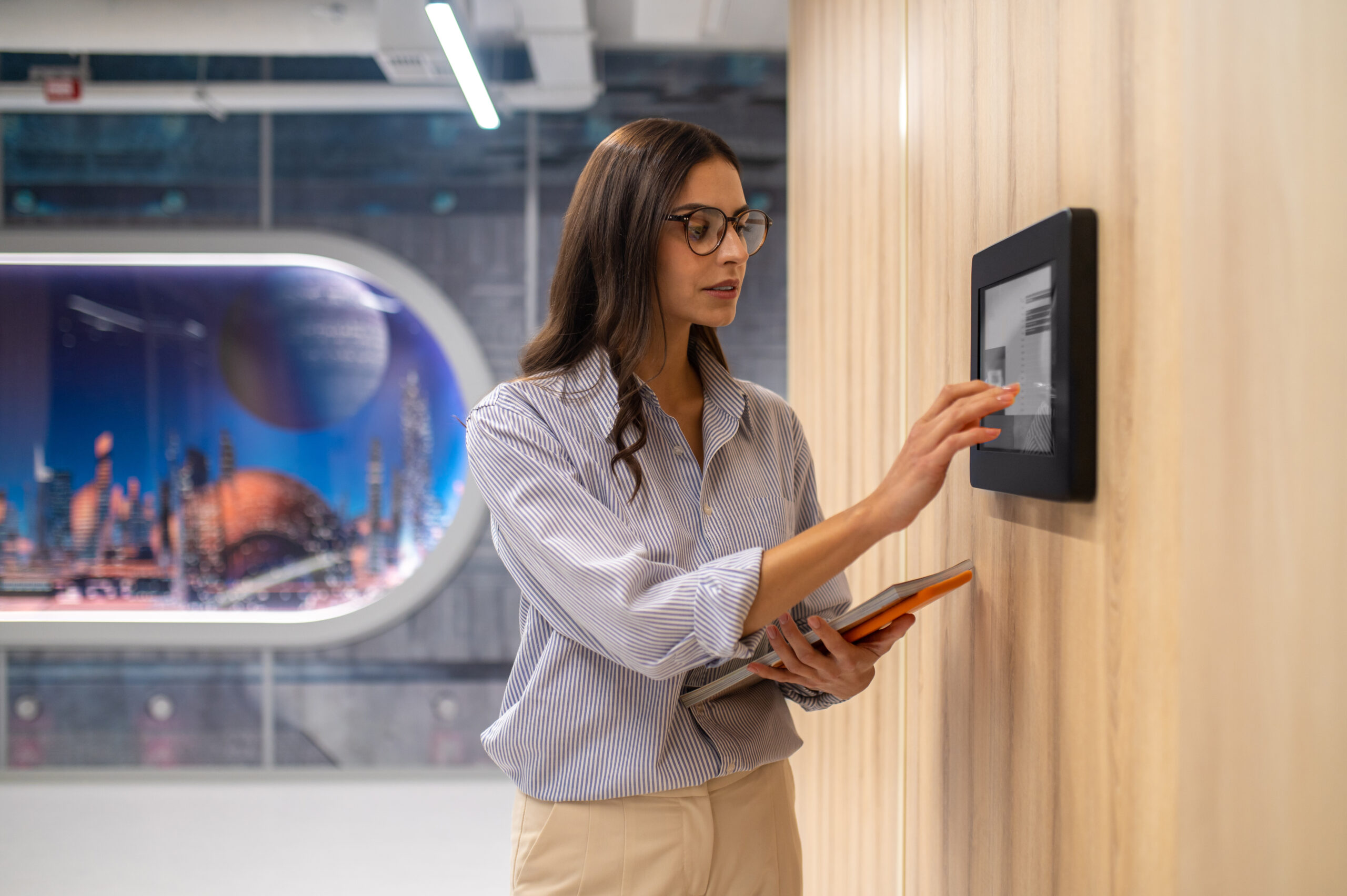
Access control systems are essential for modern business security, managing who can enter or exit specific physical locations or digital resources. These systems prevent unauthorized access, protect sensitive data, and ensure safety by offering real-time monitoring and audit trails. They can be tailored to various needs, from physical systems using keycards to cloud-based and mobile access control. With biometric authentication, AI-powered analytics, and remote management, these solutions are becoming increasingly sophisticated. Implementing the right access control system can streamline operations, enhance security, and deliver a strong return on investment.
What Is an Access Control System?
An access control system is a security system designed to manage and regulate who can enter or exit specific physical locations or digital resources within an organization. At its core, access control ensures that only authorized personnel gain entry, while preventing unauthorized access to sensitive or restricted areas.
Unlike traditional keys and locks, modern electronic access control systems offer granular control, real-time monitoring, audit trails, and seamless integration with broader security ecosystems. From a single office door to multiple sites across a campus, access control scales to meet any organization’s security requirements.
For further context on physical security standards, the Security Industry Association (SIA) and CISA (Cybersecurity and Infrastructure Security Agency) both publish detailed guidance on deploying and managing access control for commercial environments.
How Access Control Systems Work
Understanding how access control systems work is essential before investing in a solution. The process is straightforward but powerful:
- A user presents an access control credential such as a smart card, fingerprint scan, or mobile device at a card reader or authentication terminal.
- The card reader captures the credential data and transmits it to the system controller.
- The controller checks the credential against a permission database and applies predefined access rules.
- If the permission is valid, the system sends a signal to the door hardware to unlock the door or turnstile.
- All access decisions are logged in real-time, giving administrators complete visibility and security across all access points.
In cloud-based systems, access control decisions are made via a remote server, meaning administrators can manage access and update access rights from anywhere in the world, in real time.
Types of Access Control Solutions
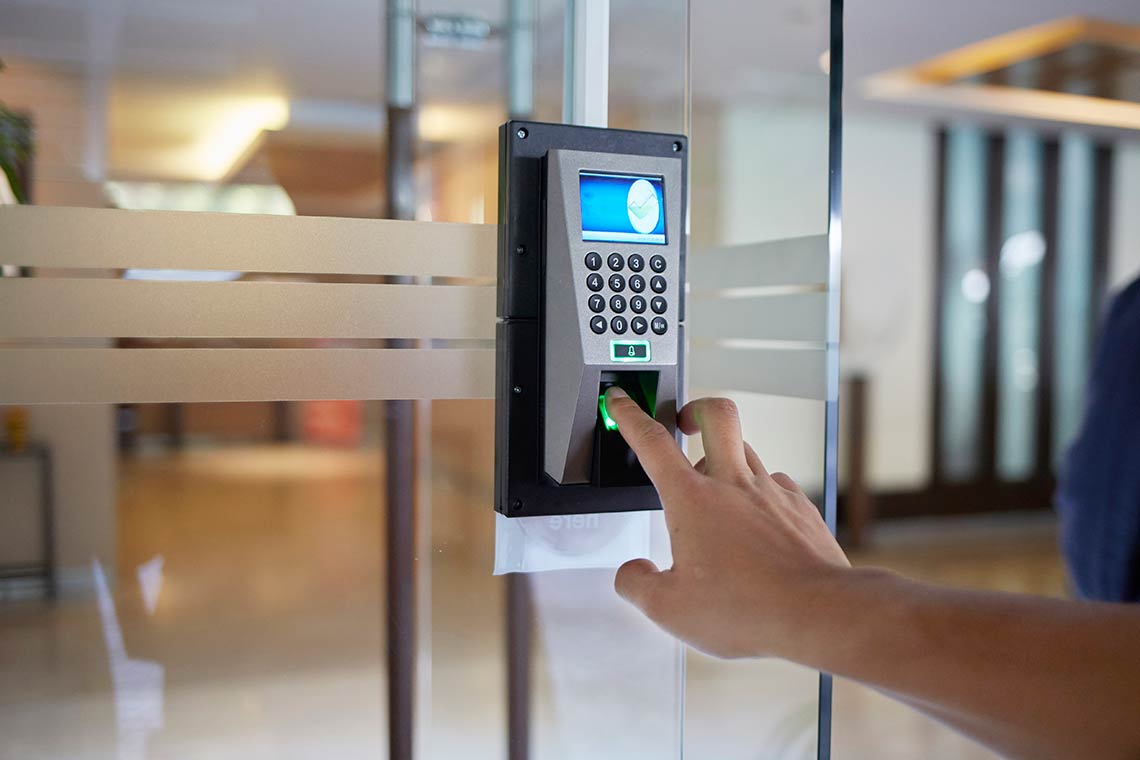
There are several types of access control available, each suited to different environments and levels of security. Choosing the right access control solution depends on your organization’s security posture, budget, and operational needs.
Physical Access Control Systems
Physical access control systems are the most widely deployed type of access control. They focus on securing door access control points such as office entrances, server rooms, loading docks, and elevator access, using hardware like door controllers, card readers, and various access control credentials. These systems are essential for physical security in any commercial environment.
Smart Access Control
Smart access control systems represent the cutting edge of access management. They incorporate advanced authentication methods such as fingerprint readers, facial recognition, and mobile access via smartphones. These systems offer a touchless access control system experience that is both hygienic and highly secure.
Cloud-Based Access Control
Cloud-based access control platforms allow organizations to manage access remotely via a browser or mobile app. This on-premise-to-cloud shift delivers real-time security, automatic updates, and effortless scalability, making it one of the best access control options for businesses managing multiple sites.
Mobile Access Control
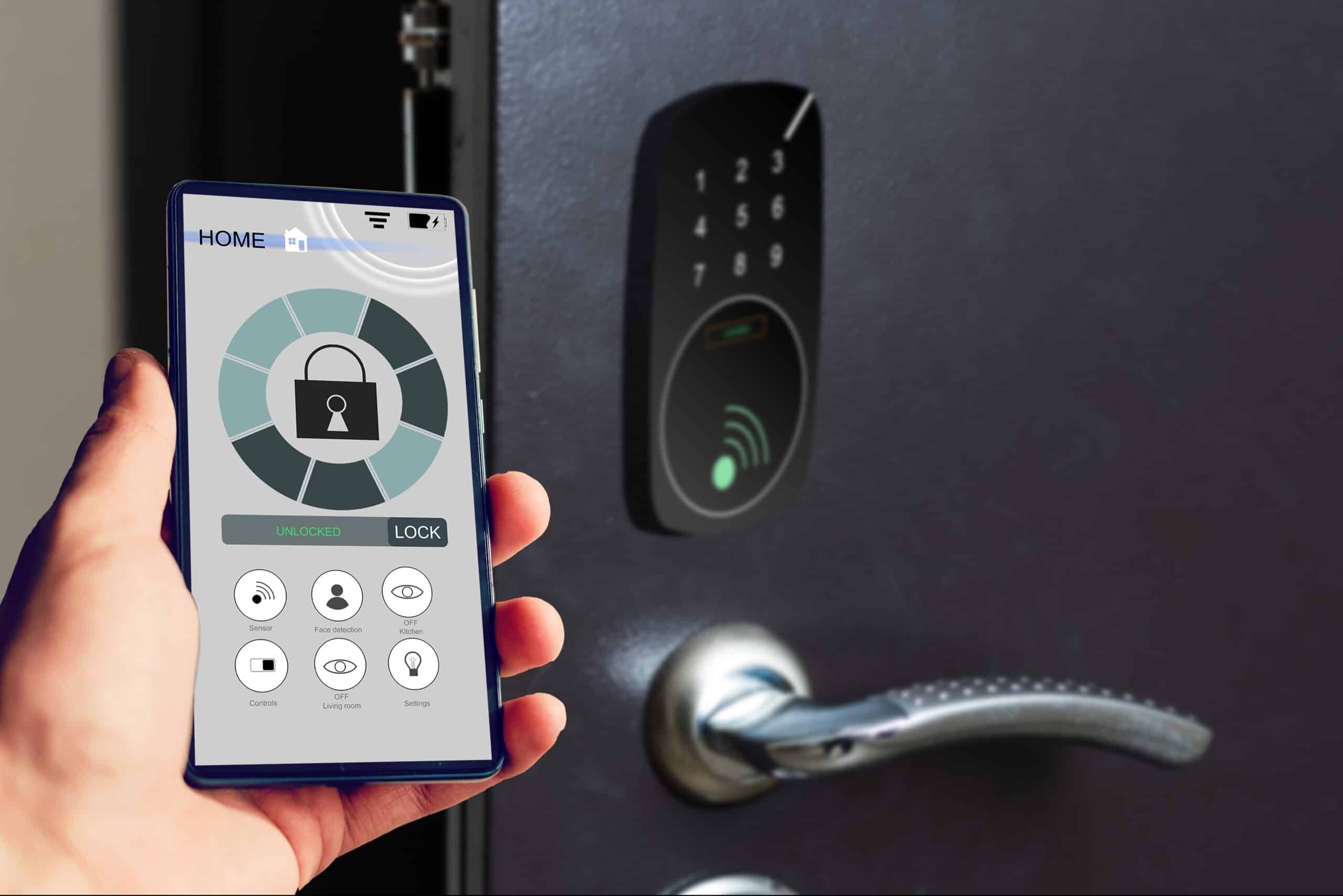
Mobile access control systems use smartphones as credentials, replacing traditional keycards entirely. Users simply tap or wave their phone near a reader to gain secure entry. This eliminates the cost and risk associated with lost or stolen cards and makes installing an access control upgrade seamless for existing systems.
Key Components of an Access Control System
A robust access control system is built from several integrated components working in concert. Here is a breakdown of the core elements:
| Component | Function | Examples |
|---|---|---|
| Controller | The brain of the system. Processes access requests and communicates with door hardware. | IP controllers, PoE controllers |
| Card Reader / Credential Terminal | Reads the user’s credential and forwards data to the controller. | Smart card readers, fingerprint scanners, mobile readers |
| Access Control Credentials | The identity proof presented by the user to request access. | Smart cards, key fobs, fingerprint, facial recognition, smartphones |
| Door Hardware | The physical mechanism that locks or unlocks based on controller signals. | Electric strikes, magnetic locks, turnstiles, elevator controls |
| Access Control Software | Manages permissions, generates reports, and provides real-time monitoring. | Cloud dashboards, on-premise security software |
| Security Cameras | Provides visual verification at access points and logs events. | IP cameras, AI-analytics cameras |
Benefits of Implementing Access Control for Your Business
Enhance Security and Prevent Unauthorized Access
The primary benefit of any access control system is its ability to prevent unauthorized access to sensitive areas. By deploying integrated access control alongside security cameras and alarm systems, you build a layered security ecosystem that deters intrusion and protects your sensitive data, people, and assets.
Streamline Operations and Access Management
Modern access control systems streamline how your team manages who goes where and when. With centralized access control software, administrators can instantly update permission levels, revoke access rights, and audit every access request, eliminating manual key management and reducing administrative overhead.
Cost-Effectiveness and Long-Term ROI
While the upfront investment in an access control system varies with complexity, the long-term return is substantial. By reducing theft, vandalism, and data breaches, access control security pays for itself quickly. Cloud-based and modular platforms make it easy to deploy and scale without replacing existing systems, keeping costs manageable as your business grows.
Flexible Access Control for Diverse Needs
A flexible access control system can accommodate card technologies, biometric methods, and mobile credentials simultaneously, giving different users the right type of credential for their role. You can also set time-based access rules to allow access only during business hours, or restrict high security zones to select personnel.
Smart Access Control and Modern Security Technology
Enhancing Security with Access Control
The landscape of access control is evolving rapidly. Here are the most impactful modern solutions shaping security for your business in 2026:
- Biometric authentication: Fingerprint and facial recognition offer the highest levels of security by verifying identity through something that cannot be lost or stolen.
- Mobile access control: Using smartphones as credentials eliminates plastic cards and offers administrators real-time control over who can gain access to your site.
- AI-powered analytics: Integrated with security cameras, AI can flag suspicious behaviour proactively, shifting security strategy from reactive to predictive.
- PoE (Power over Ethernet):PoE-enabled controllers simplify installation by combining data and power in a single cable, reducing infrastructure costs.
- Wide range of credentials:</strong Today’s access control systems support a wide range of credentials, from smart cards and PIN codes to biometric and mobile, giving you full flexibility.
For more on biometric and mobile-first security technology, NIST’s Identity and Access Management resources offer authoritative guidance on deploying modern access control frameworks.
Choosing the Right Access Control System for Your Business
Selecting the right access control system is one of the most important security decisions your organization will make. Here are the key factors to evaluate:
Assess Your Security Needs
Start by identifying your primary risks: unauthorized entry, employee theft, intrusion, or sensitive data exposure. This assessment will determine the type of access control, physical, biometric, cloud-based, or integrated, that best matches your organization’s security requirements.
Evaluate Integration with Existing Systems
The best access control solutions integrate seamlessly with your existing systems, including security cameras, alarm systems, HR directories, and security software. A truly integrated security approach eliminates blind spots and enables faster incident response.
Consider Scalability
Your access control system should grow with your business. Cloud-based and modular systems make it easy to add new access points, expand to multiple sites, and onboard new users without replacing infrastructure. Flexible access control architecture is critical for long-term value.
Choose a Trusted Installer and Provider
Work with a qualified installer who holds relevant certifications and can provide ongoing maintenance and support. The leader in access control solutions will offer a breadth of products, strong customer support, and a proven track record. Always check for industry compliance certifications to ensure your secure access control solutions meet regulatory requirements.
Best Access Control Solutions: Quick Comparison
| Solution Type | Best For | Key Credential | Key Benefit |
|---|---|---|---|
| Physical Access Control | Offices, warehouses, commercial buildings | Smart card / keycard | Reliable, cost-effective door access control |
| Biometric Access Control | High-security zones, server rooms | Fingerprint / facial recognition | Eliminates lost credential vulnerabilities |
| Mobile Access Control | Modern workplaces, multi-site businesses | Smartphone | Touchless, convenient, real-time management |
| Cloud-Based Access Control | Distributed teams, multiple sites | Any credential type | Remote management, automatic updates |
| Integrated Access Control | Enterprise, large commercial buildings | Multi-factor / biometric | Unified security ecosystem with cameras and alarms |
Access Control Security Trends in 2026
The access control market is being reshaped by several converging trends that every business owner should be aware of:
AI-powered threat detection: Modern security technology now enables access control systems to detect anomalies and flag suspicious behaviour before incidents occur.
- Cyber-physical security convergence: As access control systems become more networked, they must be protected against cyberattacks. Encrypted communications and network segmentation are now standard practice.
- Biometric and mobile-first credentials:The reliance on plastic cards is declining rapidly, replaced by fingerprint, facial recognition, and smartphone-based access control credentials.
- Real-time security monitoring: Cloud dashboards now provide instant real-time alerts, giving administrators complete visibility and security across every access event.
- Protecting people and assets: The ultimate goal of any access control solution is to protect your people and assets, and modern solutions are delivering on that promise more effectively than ever.
For the latest regulatory guidance on access control and physical security compliance, visit the Security Industry Association or CISA’s Physical Security resources.
FAQs About Access Control Systems
1. What is an access control system and why does my business need one?
An access control system is a security solution that regulates who can enter or exit your premises, specific rooms, or digital resources. Your business needs one to prevent unauthorized access, protect sensitive data, reduce theft risk, and maintain a complete audit trail of all entry activity. It replaces outdated keys and locks with a smarter, more manageable approach to safety and security.
2. What is the difference between physical access control and electronic access control?
Physical access control refers broadly to any system that restricts entry to a location, including basic locks and barriers. Electronic access control specifically uses electronic credentials, controllers, and access control software to automate, manage, and audit the entire process, far exceeding the capability of traditional keys and locks.
3. What credentials can an access control system use?
Modern access control systems support a wide range of credentials: smart cards, key fobs, PIN codes, fingerprint scans, facial recognition, and mobile access via smartphones. A touchless access control system using biometric or mobile credentials is increasingly popular for hygiene and convenience.
4. How does cloud-based access control differ from on-premise?
An on-premise system stores all data and runs all logic locally on your own servers. A cloud-based access control system processes access control decisions remotely, enabling real-time management from any device, automatic backups, and instant scalability. This is particularly valuable for businesses managing multiple sites or remote teams
5. Can access control integrate with security cameras and alarm systems?
Yes. Integrated access control links security cameras, alarm systems, and access control into a unified security ecosystem. Every access request is paired with a corresponding video record and alarms are automatically triggered by unauthorized activity, creating a complete and coordinated security response.
6. How do I choose the right access control system for my business?
Start with a thorough assessment of your security needs: the number of access points, types of users, budget, and compliance requirements. Evaluate whether physical access control, smart access control, or a cloud-based solution fits best. Work with a qualified installer and choose a leader in access control with a proven track record, strong support, and scalable product options.
7. What is a PoE access control system?
A PoE (Power over Ethernet) access control system powers its door controllers and card readers directly through the network cable, eliminating the need for a separate power supply. This simplifies installation, reduces cabling costs, and makes it easier to deploy access control across a building without major infrastructure changes.
8. What is a touchless access control system?
A touchless access control system allows users to gain secure entry without physically touching any surface. This is typically achieved through mobile access using smartphones, facial recognition, or proximity card reader technology. Touchless systems became especially important for hygiene and are now standard in modern smart access control deployments.
9. How does access control help with compliance and auditing?
A well-configured access control system automatically logs every access request, including who entered, which area they accessed, and at what time. This real-time audit trail is invaluable for regulatory compliance, insurance claims, and internal investigations. Access control software makes it easy to generate detailed reports and demonstrate compliance to auditors or insurers.
10. Can access control systems work across multiple buildings or sites?
Yes. Modern cloud-based access control and integrated access control platforms are specifically designed to manage access control across multiple sites from a single dashboard. Administrators can set and update permission levels, revoke access rights, and monitor activity in real-time across all locations, making it the ideal security access solution for growing organizations.
Ready to Secure Your Business?
Get Secure Access Control Solutions Today
Do not wait for a security breach to take action. Our certified security experts will assess your premises, identify vulnerabilities, and design the right access control system for your business with zero obligation.
Whether you need to install a brand-new door access control system, upgrade to smart access control, or deploy a fully integrated security solution across multiple sites, we have the right solution for you.
Contact us today to schedule your free consultation and take the first step toward better security for your business.