

TL;DR
Smart home technology is transforming modern living, offering convenience, security, and energy efficiency. By 2026, over 60% of homeowners are expected to adopt smart home devices ranging from intelligent thermostats to advanced security systems. This guide explores the best smart home devices, integration strategies, and emerging trends shaping the future of connected homes.
Introduction to Smart Home Technology in 2026

Smart home technology is no longer a futuristic concept—it is rapidly becoming a standard feature in modern
residences. According to Statista, the adoption of smart home devices is projected to exceed 60% of U.S.
households by 2026, up from roughly 35% today. From thermostats that learn your habits to cameras that monitor
your property in real-time, smart devices are transforming how we interact with our living spaces.
Homeowners now seek intelligent solutions that provide convenience, security, and energy efficiency. Smart
thermostats, lighting systems, locks, and security cameras allow residents to manage daily tasks effortlessly
while protecting their homes. Integrating these devices into a cohesive system ensures optimal performance,
creating a comfortable, safe, and energy-efficient environment.
Top Smart Home Devices for 2026
Best Smart Thermostats
Smart thermostats have evolved far beyond simple temperature control. By 2026, advanced models will incorporate predictive learning algorithms that adjust heating and cooling based on your daily routines and weather forecasts. Imagine your thermostat lowering the heat automatically when you leave for work, or preheating your home before your arrival, saving energy and reducing utility costs.
Integration with voice assistants such as Alexa, Google Assistant, or Siri allows for effortless control via voice commands. Many smart thermostats also include occupancy sensors, adjusting settings in rooms based on whether they are in use. With AI-driven analytics, homeowners can monitor energy consumption trends and identify areas for improvement, maximizing efficiency and comfort.
Explore our guide to Smart Home Integration to learn how these devices work seamlessly with other home tech.
Smart Lighting Systems
Lighting is no longer just about illumination. Smart lighting systems in 2026 will offer advanced features such as circadian rhythm alignment, adjusting light color temperatures to improve sleep and overall wellness. Automation routines allow homeowners to set scenes for movie nights, dinner parties, or quiet reading hours.
Integration with smart hubs ensures that all devices work harmoniously. Lights can automatically dim when a security system is armed or brighten gradually in the morning to simulate sunrise. Energy-efficient LED bulbs combined with automation can lead to significant savings while enhancing ambiance and convenience.
For installation strategies, check out Home Theater Installation to see how lighting can complement immersive home entertainment systems.
Innovative Smart Security Systems
Smart security systems provide peace of mind while leveraging cutting-edge technology. In 2026, expect AI-powered cameras capable of distinguishing between people, animals, and vehicles. Advanced analytics reduce false alarms while offering real-time alerts on suspicious activity.
Smart locks with biometric access, remote control, and activity monitoring improve home security dramatically. Video doorbells now provide two-way audio and instant mobile alerts, allowing homeowners to screen visitors from anywhere.
For businesses and commercial properties, Commercial Security Camera Placement Fort Wayne offers insights into optimal camera positioning for comprehensive coverage.
Smart Home Integration and Automation

How Home Automation Works
Home automation connects devices like thermostats, lights, locks, and cameras through a central hub or platform. This integration allows homeowners to trigger multiple actions with a single command. For instance, a “Good Night” routine could dim the lights, lock doors, adjust the thermostat, and activate security cameras automatically.
Automation simplifies daily tasks, improves security, and enhances energy efficiency. Even non-smart appliances can be included via smart plugs and sensors, providing full control over your home environment.
Integrating Smart Devices with Home Tech
Seamless integration is key to a cohesive smart home ecosystem. In 2026, devices from different manufacturers will communicate effortlessly. Smart thermostats, lights, locks, and cameras can be controlled from a single app, reducing complexity. Integration with platforms like Amazon Alexa, Google Home, or Apple Home ensures that homeowners can manage all devices through voice commands or mobile devices.
Learn how Pre-Wiring Networking Solutions can support smooth integration for a more reliable smart home network.
Voice Assistants and Their Role
Voice assistants have become indispensable for managing smart homes. AI-driven assistants understand natural language commands, enabling intuitive control over devices. In 2026, improvements in contextual understanding will allow voice assistants to predict needs, suggest automation routines, and streamline household management.
Energy Efficiency with Smart Devices
Maximizing Energy Efficiency
Energy efficiency is a key motivator for smart home adoption. Devices like smart thermostats, lighting systems, and plugs allow homeowners to reduce consumption without sacrificing comfort. Automation can turn off lights in unoccupied rooms, adjust temperature settings, or manage appliance usage remotely.
Smart Plugs and Their Benefits
Smart plugs convert ordinary devices into smart appliances, offering remote control, scheduling, and energy monitoring. By managing power usage for devices like coffee makers, lamps, or chargers, homeowners can optimize energy consumption and reduce waste. These features make smart plugs essential for sustainable smart homes.
Smart Doorbells in Energy Management
Smart doorbells, equipped with motion sensors, reduce unnecessary outdoor lighting, enhancing both security and energy efficiency. Integration with smart lights ensures that exterior lighting activates only when needed, conserving energy while maintaining safety.
Security in Smart Homes
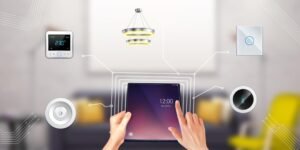
Understanding Smart Security Cameras
High-resolution smart cameras with motion detection, remote monitoring, and AI-powered analytics are the backbone of modern home security. Cameras can differentiate between routine activity and potential threats, sending real-time alerts for faster response.
Benefits of Smart Locks
Smart locks offer keyless entry, temporary access codes, and remote monitoring. Integration with home automation systems allows for effortless control and improved security. Temporary codes can be given to guests or service providers, while activity logs track all entries and exits.
Choosing the Right Home Security System
A comprehensive system includes smart cameras, locks, sensors, and optional professional monitoring. Factors to consider include home size, budget, and security needs. Systems that integrate with platforms like Alexa or Google Home provide enhanced convenience and control.
For additional insights, explore Home Security Fort Wayne Smart Tech CCTV.
Future Trends in Smart Home Technology
Emerging Technologies for 2026
Future smart homes will leverage AI, machine learning, and advanced sensor technology to deliver personalized automation. Blockchain may enhance security and data privacy, while IoT expansion integrates appliances, furniture, and even utilities into cohesive smart ecosystems.
Predictions for Smart Home Devices
Expect greater interoperability, simplified user interfaces, and expanded device categories. Homes will become increasingly adaptive, learning routines and adjusting automatically for comfort, efficiency, and security.
CES 2026 and Smart Home Innovations
CES 2026 will showcase breakthroughs in smart security, energy management, and home automation. Attendees can expect to see smarter cameras, enhanced voice assistants, and new devices that anticipate homeowners’ needs. Learn about industry trends via Industry Security Reports and Home Automation Trends.
Conclusion: Embracing Smart Home Tech
Key Takeaways
- Smart home devices improve convenience, energy efficiency, and security.
- Integration and interoperability are crucial for a seamless smart home experience.
- AI and predictive automation will make homes increasingly adaptive and intuitive.
- Energy management tools like smart plugs and doorbells can reduce consumption and cost.
- Choosing the right security system protects both your home and peace of mind.
Call to Action
Transform your home into a smart, secure, and energy-efficient environment with Summit City Solutions. From advanced smart thermostats to integrated security systems, we provide professional installation and guidance tailored to your needs. Explore our Smart Home Integration and Network Security Upgrade Fort Wayne Business services today and take the first step toward a smarter home. Contact us now to schedule a consultation and experience the future of home technology.