

TL;DR
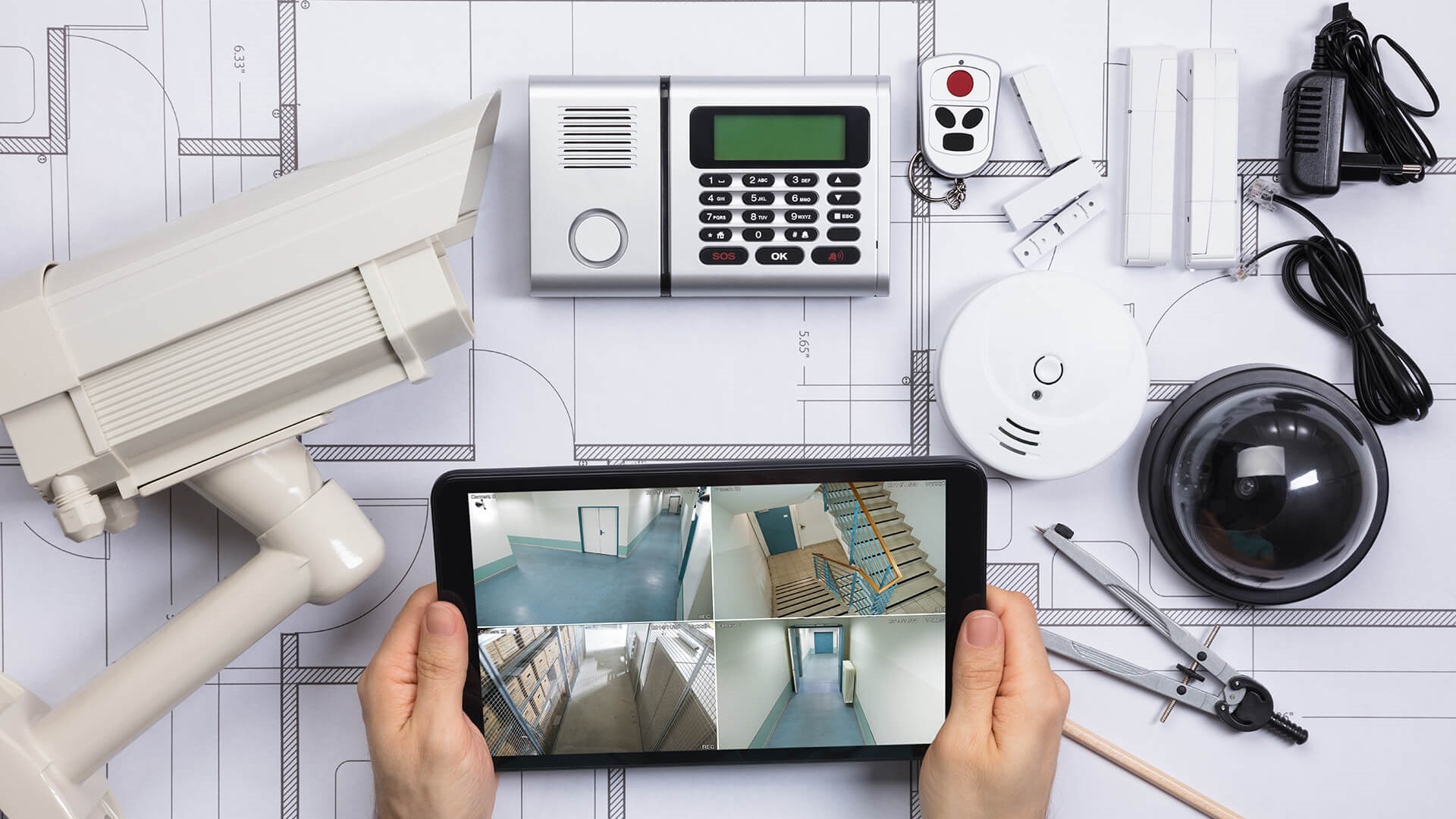
In today’s world, businesses must face a growing range of security threats, from theft to cyberattacks. A commercial security system is essential to protect assets, data, and employees from these risks. Modern solutions integrate video surveillance, alarm systems, access control, and smart automation, all designed to provide a multi-layered defense strategy. Businesses face unique security challenges, and the need for tailored security measures cannot be overstated. As commercial properties are increasingly vulnerable, the integration of advanced technologies, such as AI-powered analytics and biometric access control, is transforming the landscape. Ultimately, security for commercial environments is no longer optional but a critical component for long-term business sustainability.
What Is a Commercial Security System?
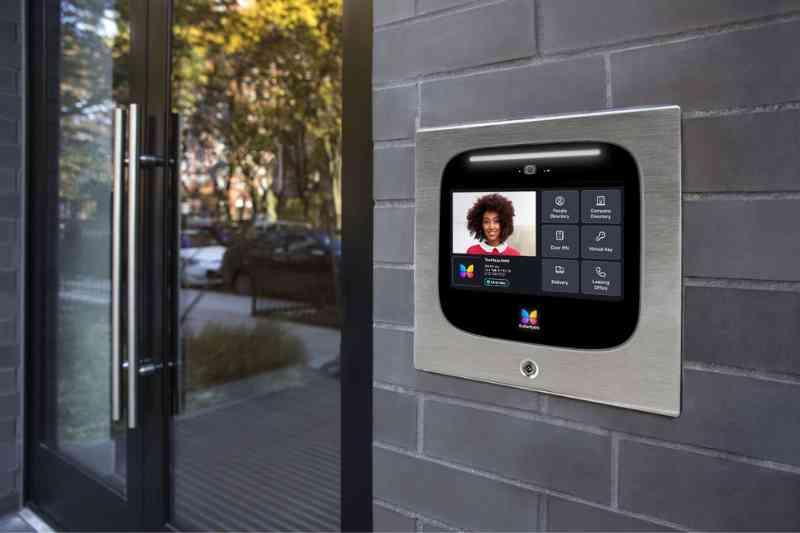
A commercial security system is a comprehensive network of integrated components designed to protect commercial properties from theft, vandalism, unauthorized access, fire, and other emergencies. Unlike a home security system, which typically covers a single residence with limited entry points, a commercial building security system must address the far greater complexity of a business or office environment: multiple floors, high foot traffic, sensitive data rooms, loading docks, and diverse teams with varying access needs.
Modern security systems for commercial buildings typically integrate several core components into a unified management platform. These include security cameras and video surveillance systems, intrusion alarm systems and fire alarms, access control systems for entry points and restricted zones, smart automation for lighting and environmental controls, and cloud-based security dashboards that allow remote monitoring from any device.
The result is a robust security ecosystem. It is a layered defence strategy where each component reinforces the others to eliminate blind spots and reduce response times.
Why Commercial Buildings Need a Dedicated Security Solution
The physical security requirements of commercial buildings are fundamentally different from those of residential properties. Businesses face a unique set of security challenges: organized retail crime, employee theft, cyber-physical attacks, and increasing regulatory requirements around safety and security. A generic, off-the-shelf system simply cannot address these needs.
Consider the data: businesses that implement integrated security systems report up to a 40% reduction in security incidents within the first year of deployment. For small business owners operating on tight margins, preventing even a single serious theft or break-in can offset the full cost of a commercial security system installation.
Beyond deterrence, a well-designed security solution provides documented evidence for insurance claims and legal proceedings, supports compliance with industry regulations, and gives employees and customers confidence that the environment is safe. For business owners managing offices and commercial premises, this translates directly to reduced liability and a stronger brand reputation.
Types of Business Security Systems
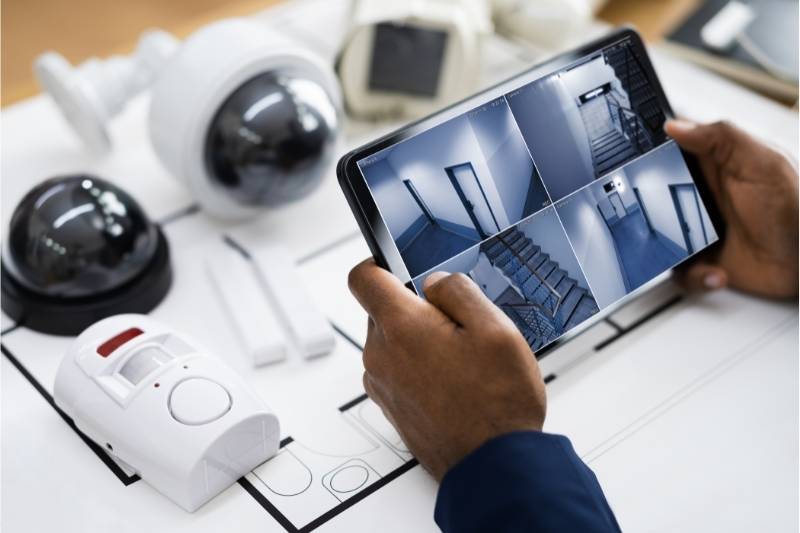
Today’s business security systems offer a wide range of options. Understanding the different categories helps business owners select the most appropriate solution for their specific security needs.
Security for commercial properties is essential to ensure the safety of assets, employees, and customers. As businesses face unique security challenges, such as high foot traffic, valuable inventory, or sensitive data, it is crucial to implement a comprehensive security system. This system should combine video surveillance, access control, and alarm systems, all integrated into a centralized platform. Security systems like these provide a multi-layered defense, while modern systems offer the flexibility to scale and adapt as your business grows, helping mitigate the ever-evolving risks that businesses face today. Additionally, understanding the law to have a security in place, such as mandatory surveillance in certain industries, ensures compliance with legal standards and further protects your business.
Video Surveillance Systems
High-definition commercial security cameras are the backbone of any modern security system. Today’s cameras offer 4K resolution, wide dynamic range for challenging lighting conditions, AI-powered motion detection, and night vision. Video surveillance systems cover every critical zone including entry points, parking lots, server rooms, and loading bays, and feed footage to centralized management dashboards accessible in real time. For businesses requiring ongoing oversight, like video security from cloud-hosted platforms, footage is stored off-site and accessible from any device, eliminating the risk of losing evidence if on-site hardware is damaged or stolen.
Alarm Systems
A properly configured security alarm system, or more specifically, commercial building alarm systems, detects intrusion, fire, and environmental hazards and immediately dispatches alerts to your security team and relevant authorities. Modern alarm systems are far more sophisticated than legacy siren-only units. They include door and window sensors, passive infrared motion detectors, panic buttons for staff, glass-break sensors, and smoke and CO detectors, all connected to professional 24/7 business monitoring centres.
Access Control Systems
Effective access control manages and audits who enters which parts of a building, and when. Entry-level solutions use keycards or PIN codes; advanced access control systems deploy biometric authentication including fingerprint and facial recognition, mobile credentials, and time-based access schedules. This is critical not just for physical security but for security operations: a detailed access log is invaluable when investigating security incidents or auditing compliance.
Smart Security and Automation
The rise of smart security and smart automation has transformed how commercial properties are managed. Smart technology enables automated lighting that deters intruders, integrated door-lock scheduling, occupancy-based environmental controls, and remote system management from a single app. For facilities managers and security personnel, this means fewer manual tasks and faster responses to security threats.
Cloud-Based Security Platforms
Modern cloud-based security platforms consolidate all security devices, including cameras, alarms, access control, and environmental sensors, into a single browser-accessible dashboard. Integrated commercial security systems eliminate the silos that previously hampered rapid response, giving managers a complete operational picture at all times.
Choosing the Right Security System for Your Business
Selecting the right security system requires a systematic approach. Choosing a business security system is not a one-size-fits-all decision. The right choice depends on the nature of your operations, the layout of your commercial offices, and your budget.
| Factor | Key Consideration | Example Solution |
|---|---|---|
| Business Size | Larger operations need more coverage zones and scalable platforms | Multi-zone integrated system with central dashboard |
| Security Risks | Identify primary threats: theft, vandalism, ORC, data breaches | Layered alarm plus camera plus access control |
| Budget | Balance upfront costs against long-term risk reduction value | Cloud-based subscription vs. owned infrastructure |
| Scalability | Systems can help grow with your business without full replacement | Modular platforms with wireless expansion |
| Integration | Ensure all components work together seamlessly | Unified API-driven commercial security solutions |
Start with a formal security audit conducted by qualified security experts. Reputable security companies will assess your place of business, identify gaps, and propose a tailored security plan. For small business security systems, this might be as simple as two cameras, a monitored alarm, and a cloud subscription. For a flagship office building security system, it may involve hundreds of devices and a dedicated on-site security staff function.
When evaluating best business security systems, always consider whether a DIY security setup is adequate for your risk profile, or whether professionally installed and monitored physical security systems are required. The best office environments typically combine both: a professionally installed backbone with self-managed smart add-ons for flexibility.
Business security solutions must be tailored to the unique needs of each commercial environment. Unlike residential security, businesses face a broader array of risks, including employee theft, vandalism, and cyber threats threats. A robust business security solution integrates multiple layers, such as video surveillance, alarm systems, and access control. By incorporating smart technology and cloud-based platforms, businesses can ensure comprehensive protection, enabling real-time monitoring and rapid response to security incidents. This approach not only helps mitigate risks but also reduces the overall cost of potential losses.
Alarm Systems and Video Surveillance
For most businesses, video security and alarm systems are the two most visible and impactful components of a commercial security system. Used together, they create a powerful deterrent and an effective incident-response capability.
Implementing security measures is a vital part of safeguarding your commercial property. It involves assessing vulnerabilities, deploying appropriate tools, and ensuring regular maintenance and updates. Advanced security measures, such as dual-path alarm systems and AI-powered video surveillance, help reduce risks associated with intrusions, theft, and environmental hazards. With the increasing threats from cyber-physical attacks, businesses must also integrate cybersecurity measures into their physical security systems. This helps prevent attacks that may compromise both your physical and digital infrastructures.
How Alarm Systems Enhance Commercial Building Security
Modern alarm systems go far beyond audible sirens. In 2026, smart security alarm platforms can distinguish between a genuine intrusion and a false trigger using AI-powered sensor fusion, dramatically reducing false alarm rates that were historically a major pain point for building security systems. When a real breach occurs, the system simultaneously alerts local authorities, your designated security team, and your smartphone, ensuring the fastest possible response.
For commercial building security, dual-path alarm communication combining cellular and broadband ensures that even if one communication channel is disrupted, which is a common tactic used by sophisticated intruders, your alarm continues to function. This advanced security capability is now standard on all top security platforms recommended for commercial offices.
Video Surveillance: Benefits for Business Security
Professionally installed video surveillance serves three distinct functions in a commercial environment: deterrence, detection, and documentation. The mere presence of visible security cameras has been shown to reduce opportunistic crime by up to 50%, according to research published by the Urban Institute. During an active incident, live monitoring by a virtual security centre enables real-time intervention. After an incident, video surveillance systems provide the documented evidence needed for prosecution and insurance claims.
When combined with AI-powered analytics, commercial security cameras can proactively flag suspicious behaviour such as loitering in restricted zones or movement during after-hours periods before an incident escalates. This shifts security strategy from reactive to predictive, a fundamental shift in how forward-thinking organisations enhance security across their commercial buildings.
Combining Alarm and Surveillance for Maximum Protection
The most effective commercial security solutions integrate alarms and surveillance into a single, coordinated response platform. When an alarm is triggered, the system automatically surfaces the nearest security camera feed to the monitoring centre, allowing operators to verify the alert in seconds. This integration eliminates the ambiguity that leads to delayed or incorrect responses to security incidents, and ensures that genuine threats receive an immediate, appropriate response.
Access Control for Commercial Buildings
Effective access control is the cornerstone of physical security for any business or office. It ensures that the right people can access the areas they need and that unauthorized individuals cannot. For modern commercial buildings, this extends well beyond a simple locked door.
Advanced access control systems now incorporate mobile credentials (unlock doors with a smartphone), multi-factor authentication, and real-time directory synchronization with HR systems so that access rights are automatically updated when an employee joins or leaves the organization. This is particularly important for businesses with high staff turnover, where manually managing access is both time-consuming and a significant security risk.
Integrating access control with your existing security system, including cameras and alarms, creates a fully audited environment. Every access event is logged with a timestamp and, where cameras are positioned, a corresponding video clip. This level of security technology is increasingly regarded as best practice by insurers and is a requirement under certain industry compliance frameworks. For guidance on current best practices, the Security Industry Association (SIA) offers detailed published resources.
Commercial Building Security Trends in 2026
AI-Powered Detection and Analytics
Artificial intelligence is transforming physical security systems from passive recorders to active threat-detectors. AI algorithms can analyse footage in real time to identify suspicious behaviour, flag unattended objects, detect crowd anomalies, and even predict security risks before they materialise. For security personnel, this dramatically reduces the burden of manual monitoring and enables security systems integrate seamlessly across large, multi-site operations.
Cloud-First and Hybrid Infrastructure
The shift to cloud-based security is accelerating. Cloud-first management systems eliminate the need for expensive on-site server hardware and enable instant software updates, automatic backups, and remote access for security operations teams across multiple sites. Hybrid architectures, which combine local processing for low-latency response with cloud storage for long-term footage retention, are now considered the best security configuration for most mid-to-large commercial buildings.
Biometric and Mobile-First Access Control
The reliance on physical keycards is declining rapidly. In 2026, integrated commercial security platforms offer mobile-first access control as standard, with multi-factor authentication combining something you have (your phone), something you know (a PIN), and something you are (a biometric scan). This approach dramatically address security vulnerabilities associated with lost or stolen credentials, one of the most common entry points for physical breaches in commercial environments.
Vivint Security and Leading Platforms
Platforms such as Vivint security and other enterprise-grade providers are leading the push toward fully integrated commercial security systems. These platforms enable business owners to manage alarms, cameras, locks, and environmental sensors from a single interface, with AI-powered alerts pushing to any mobile device.
Adapting to Cyber-Physical Security Threats
As security systems tailored to commercial environments become increasingly networked, they become potential targets for cyberattacks. A compromised security system’s cameras or access readers can provide attackers with a foothold into an organization’s broader IT environment. Addressing this requires dedicated security protocols: firmware updates, network segmentation, encrypted communications, and regular penetration testing. According to CISA (Cybersecurity and Infrastructure Security Agency), cyber-physical attacks on building management systems are among the fastest-growing threat categories for commercial properties.
Maintaining and Updating Your Security System
A robust security system is only as effective as its maintenance regime. Even the best security systems will degrade in performance if left unchecked. Proactive building security system installation should always include a maintenance schedule built into the service agreement.
Regular Maintenance Checklist
- Test all alarm systems and connected monitoring services monthly.
- Inspect and clean security cameras quarterly, as dust and condensation can degrade image quality.
- Review and update access control permissions whenever staff changes occur.
- Apply all firmware and software patches to networked security devices promptly.
- Conduct a full security audit annually to identify new vulnerabilities and update your security strategy.
- Train and re-train security staff on updated protocols and emerging security threats.
Employee Training and Security Culture
Technology alone cannot protect your business. A strong security culture, where every employee understands their role in maintaining security and safety, is equally important. Training should cover recognising suspicious behaviour, correct access control procedures, proper handling of sensitive information, and responses to security incidents. Regular refresher sessions ensure that security systems can help every employee respond effectively when it matters most.
Partnering with Security Services
For most businesses, partnering with professional security services for ongoing monitoring, maintenance, and strategic guidance is the most reliable path to sustained peace of mind. Managed security services provide 24/7 oversight, rapid response to alerts, regular system health reviews, and access to the latest threat intelligence so your core business operations are never disrupted by security challenges. They also ensure your existing security infrastructure continues to meet evolving regulatory and insurance requirements.
Best Business Security Systems: Quick Comparison
| System Type | Best For | Key Feature |
|---|---|---|
| Integrated Alarm and CCTV | Most commercial buildings | Unified monitoring and fast response |
| Cloud-Based Video Security | Multi-site businesses | Remote access and off-site storage |
| Biometric Access Control | High-security offices | Eliminates lost card vulnerabilities |
| AI Analytics Platform | Large retail and enterprise | Predictive threat detection |
| Small Business Security Systems | SMEs and startups | Affordable, scalable, app-managed |
Get Your Free Commercial Security Assessment
Protect Your Business Before a Breach Happens
Our certified security experts will evaluate your commercial properties, identify vulnerabilities, and design a tailored security system for your business with zero obligation.
Whether you need a full commercial building security system installation or want to upgrade your existing security, we have the right security system for your business or office.
Contact us today to schedule your free consultation.