

TL;DR
Protecting your retail store requires a layered security system combining alarm systems, surveillance cameras, electronic article surveillance (EAS), and access control systems.This guide covers everything from selecting the right retail alarm system and anti-theft tags to addressing organized retail crime, internal theft, and evolving retail security challenges, with actionable strategies for 2026.
Introduction to Retail Store Security
According to the National Retail Federation, retail theft costs U.S. businesses over $112 billion annually. From opportunistic shoplifters to sophisticated organized retail crime rings, the threats facing today’s retail store are more varied and more costly than ever. A robust retail store security system is no longer optional. It is a foundational requirement for any retail business serious about protecting its assets, employees, and customers.
This guide provides a comprehensive, in-depth look at the alarm and theft devices that form the backbone of modern retail security. Whether you are implementing store security from scratch, upgrading an existing retail security system, or closing specific gaps in your loss prevention strategy, you will find expert guidance here to build a security solution tailored to your unique business needs.
From understanding the role of detection systems and retail security towers to choosing the right alarm system and integrating business security systems, this article walks through every critical layer of a comprehensive retail security setup, complete with implementation tips, comparison tables, and best practices for 2026.
Understanding Retail Security: Challenges and Priorities
Importance of a Comprehensive Retail Security System
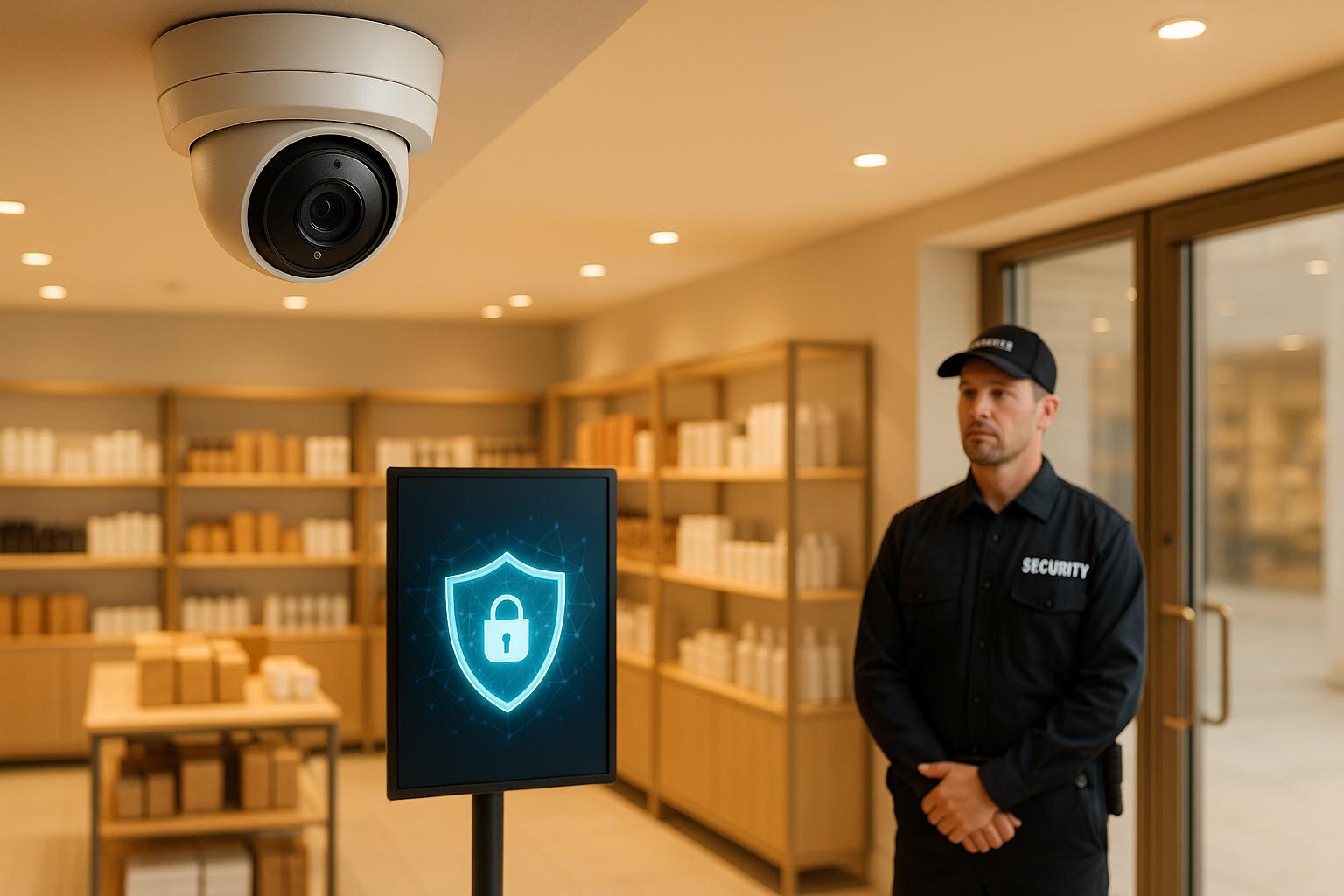
A comprehensive retail security system is vital for any retail business aiming to protect its operations from multiple threat vectors. While loss prevention is the most obvious benefit, the true value of a robust retail security setup extends far beyond stopping a shoplifter at the store exit. A well-designed system deters criminal behavior before it occurs, reduces shrinkage, improves staff productivity, and creates a safer shopping environment that customers trust.
Retailers with advanced, integrated security systems report significantly lower shrink rates compared to those relying on basic measures alone. Visible security devices, from security cameras mounted above the sales floor to retail security towers at store exits, signal to potential thieves that the store is protected, reducing the risk of both opportunistic shoplifting and coordinated retail theft.
Beyond deterrence, a comprehensive retail security system supports business owners in complying with insurance requirements, provides documented evidence in the event of incidents, and enables security personnel to respond swiftly to threats. Investing in the right security solution is, ultimately, an investment in the long-term sustainability and store operations of your retail store.
Common Retail Security Challenges
Retail security faces a unique set of challenges rooted in the open, accessible nature of the retail environment. High foot traffic, diverse merchandise, and multiple entry and exit points create vulnerabilities that bad actors routinely exploit. Understanding these retail security challenges is the first step to building effective countermeasures and protecting your business.
Key retail security challenges include:
- Shoplifting: Remains the most persistent form of retail theft, with thieves using concealment devices, distraction tactics, and booster bags designed to defeat anti-theft tags.
- Employee Theft / Internal Theft: Studies suggest that employee theft accounts for roughly 28% of retail shrink. Internal theft is often harder to detect and can go unnoticed without in-store security cameras and access control systems.
- Organized Retail Crime (ORC): Coordinated gangs targeting stores for large-scale theft represent one of the fastest-growing threats in retail operations, with average losses per ORC incident running into thousands of dollars.
- False Alarms: Poorly calibrated alarm systems can generate false alarms that drain security team resources and desensitize staff to genuine threats.
- Digital Security Threats: Point-of-sale (POS) breaches and digital security vulnerabilities increasingly affect retail businesses, requiring integrated digital security protocols alongside physical security measures.
Key Components of a Retail Security Solution
A retail security solution is only as strong as the components it integrates. The most effective security systems for retail stores combine several interconnected technologies to form a layered, comprehensive retail security framework that addresses both in-store and perimeter threats.
- Alarm Systems: Store alarm and retail alarm system components that detect unauthorized entry and immediately alert security services or local authorities.
- Surveillance Cameras: Indoor and outdoor cameras covering all zones of the retail store, providing continuous video footage and enabling store management to monitor store activity in real time.
- Electronic Article Surveillance (EAS): Security tags and anti-theft tags attached to merchandise, designed to trigger an alarm at store exits if not properly deactivated at point of sale.
- Access Control Systems: Regulate entry to back-of-house zones such as stockrooms and offices, ensuring only authorized personnel can access sensitive areas.
- Retail Security Tower: Elevated monitoring structures that give security personnel a commanding view of the sales floor, functioning as both a deterrent and a surveillance asset.
Types of Security Systems for Retail Stores
Alarm Systems: The First Line of Defense
Alarm systems are a cornerstone of any effective retail security strategy. A store alarm system detects unauthorized entry or suspicious activity and immediately notifies the appropriate parties, whether that is an on-site security team, a third-party security service, or local law enforcement. The faster the response, the less time a thief has to cause damage or remove merchandise.
Modern retail alarm systems are far more sophisticated than the single-siren units of previous decades. Today’s alarm system solutions include:
- Door and Window Sensors: Detect forced or unauthorized entry at all access points throughout the store.
- Motion Detection: Advanced motion sensors monitor for movement in restricted areas, especially useful during after-hours periods when the store is unoccupied.
- Panic Buttons: Allow staff to silently trigger an alert to security services without escalating a confrontation with a suspect.
- Integrated Retail Alarm System Solutions: Systems that connect the store alarm system to a centralized monitoring platform, enabling around-the-clock coverage by professional security personnel.
Selecting the right retail alarm is a critical part of a comprehensive retail security plan, and the investment typically pays for itself quickly in prevented losses. A well-configured retail alarm system connected to a central monitoring platform provides the fastest possible response times when a genuine breach occurs.
Use code with caution.
Should I continue with the next section of your text?
Detection Systems for Theft Prevention
Detection systems provide the technological backbone for anti-theft operations in a retail store. These systems identify retail theft, or the conditions that lead to it, before significant losses occur. The two most widely deployed detection technologies are electronic article surveillance and video analytics, both of which play a crucial role in protecting your retail store.
Electronic Article Surveillance (EAS)
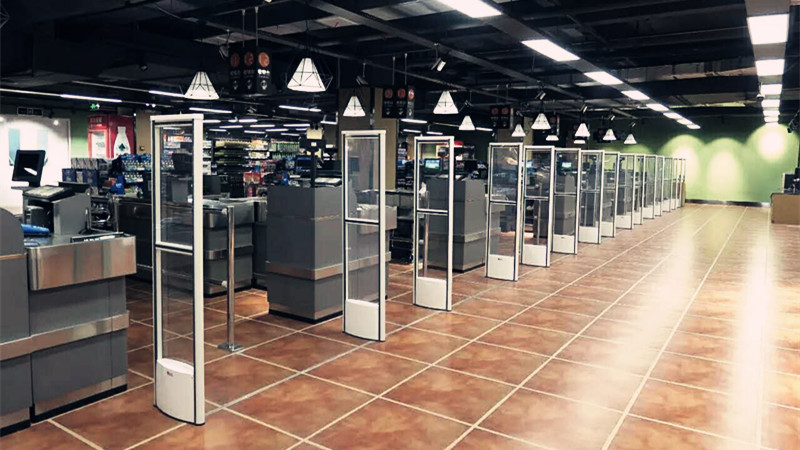
Electronic article surveillance is the most common anti-theft system used in retail environments worldwide. The Electronic Security Association highlights that EAS systems can reduce shoplifting by up to 60 to 70% in stores that implement them correctly. EAS works through retail security tags, either hard tags or soft adhesive labels, attached to merchandise. These tags communicate with detection systems built into retail security towers or pedestal antennas positioned at store exits.
When a customer purchases an item, the cashier deactivates or removes the security tag at point of sale. If someone attempts to take merchandise through the store exit without deactivating the tag, the detection system triggers an alarm, alerting in-store security. Different types of retail security tags serve different retail contexts:
| Tag Type | Best For | Key Advantage |
|---|---|---|
| Hard EAS Tags | Apparel, accessories, high-value items | Reusable; highly durable |
| Soft Adhesive Labels | Books, cosmetics, boxed products | Discreet; low cost per unit |
| Ink Tags | High-end clothing and fashion | Acts as visual deterrent; damages item if tampered |
| Anti-Theft Retail Security Tags | Electronics and accessories | Designed for high-theft product categories |
Advanced Video Analytics for Retail Security
Modern video surveillance systems go beyond passive recording. AI-powered analytics can detect patterns of behavior indicative of retail theft, such as extended dwell time in high-theft zones, concealment gestures, or unusual movement near store exits, and alert security personnel proactively. This capability transforms cameras to monitor store activity from a reactive tool into an active component of retail loss prevention.
Role of Retail Security Towers
A retail security tower serves a dual purpose in store security: it houses the EAS detection antennas that identify tagged merchandise crossing the store exit, and it provides a visible physical deterrent that discourages theft before it is even attempted. Positioned at all exit points, these towers are an unmistakable signal that the retail store takes security seriously.
Beyond EAS functionality, modern retail security towers often integrate additional capabilities including built-in cameras to monitor store exit zones, customer counting technology for store management and operations analytics, and acoustic monitoring for real-time detection of tampering attempts.
The presence of retail security towers at store exits, combined with visible security cameras throughout the store, has been shown to reduce both opportunistic shoplifting and more organized retail crime. For retailers looking to protect your store without stationing security guards at every entry point, these towers represent a cost-effective and reliable security product.
Video Surveillance Systems
A robust video surveillance system is essential for any store security strategy. High-resolution cameras, ideally 2K or 4K resolution, positioned throughout the store allow store management and security personnel to monitor store activity, identify suspicious behavior, and gather evidence for investigations. Video security footage also serves as a critical tool for resolving disputes and improving store operations.
Effective camera placement best practices include:
- Positioning cameras to monitor all entry and exit points, capturing clear footage of everyone entering or leaving the store.
- Installing cameras above high-value merchandise zones and fitting rooms, where retail theft rates are highest.
- Ensuring outdoor cameras cover parking lots, loading docks, and external areas to prevent theft before it enters the retail environment.
- Using cameras to monitor back-of-house areas where internal theft or employee theft is most likely to occur.
- Integrating video security footage with your alarm system for real-time incident verification.
Implementing Store Security Measures

Choosing the Right Alarm System for Your Retail Store
Selecting the right alarm system for your retail store requires a careful assessment of your store layout, merchandise profile, and specific security needs. A retail store with a single entry point and low-value goods has different requirements from a multi-exit flagship store carrying high-value electronics or luxury goods. Understanding your unique security needs before choosing is critical.
| Factor | Consideration |
|---|---|
| Store Size | Larger stores require more sensors and potentially multiple alarm zones. |
| Entry Points | Each door and accessible window needs a sensor for complete coverage. |
| Monitoring Type | Choose between self-monitored alarms or professionally monitored security services. |
| System Integration | Ensure the alarm system integrates with existing video security and EAS infrastructure. |
| False Alarm Control | Select systems with advanced filtering to minimize false alarms and avoid unnecessary call-outs. |
| Business Needs | Consider scalability as your retail business grows or your store layout changes. |
A well-configured retail alarm system connected to a central monitoring platform provides the fastest possible response times when a genuine breach occurs. For larger retail businesses, integrating the store alarm system with digital security controls and access control systems creates a unified alarm system solution that covers both physical and digital vulnerabilities.
Utilizing Security Tags in Loss Prevention
Security tags are one of the most cost-effective tools in retail loss prevention. When deployed correctly across a store’s merchandise, these anti-theft tags deter shoplifting and provide a reliable last line of defense at the store exit. Retail security tags, including both hard EAS tags and soft adhesive labels, are available in formats suited to virtually every product category from apparel and accessories to cosmetics, electronics, and boxed goods.
Best practices for security tag deployment:
- Conduct a product risk assessment to identify the highest-theft categories and prioritize tagging there first.
- Position tags in locations that are difficult to remove without a detacher tool, typically at seams, zippers, or the back of garments.
- Train all staff on the importance of deactivating security tags correctly at point of sale to prevent false alarms and maintain customer experience.
- Audit tag removal regularly to identify tampered merchandise and document patterns that may indicate organized retail crime activity.
- Supplement security tags with visible security cameras in high-risk zones to provide a layered approach to retail theft prevention.
For comprehensive retail security, security tags should be considered part of a broader, integrated loss prevention strategy rather than a standalone solution. Their effectiveness is maximized when paired with retail security towers, a functioning alarm system, and well-positioned security cameras throughout the store.
Integrating Business Security Systems
Integrating business security systems is the hallmark of a mature, comprehensive retail security strategy. Rather than operating alarm systems, surveillance cameras, and access control systems as isolated tools, integration connects these components into a unified security system that enables coordinated, intelligent responses to threats.
A fully integrated retail security system offers several advantages:
- Real-Time Incident Verification: When an alarm is triggered, integrated video security footage allows security personnel or a remote monitoring center to verify whether the event is a genuine intrusion or a false alarm, reducing unnecessary disruptions to store operations.
- Faster Response: Automated alerts push notifications to the security team and, where configured, directly to security services or local authorities, enabling the fastest possible response.
- Centralized Management: A unified dashboard gives store management and business owners a complete view of all security system components, accessible remotely.
- Audit Trails: Integrated systems maintain detailed logs of all access events, alarm triggers, and camera activity, supporting both internal investigations and compliance requirements.
Access Control Systems
Use code with caution.
Are there any remaining sections or more images you’d like me to process?
Access control systems protect the areas of your retail store that are off-limits to customers, including stockrooms, offices, server rooms, and cash-handling zones. By ensuring that only authorized personnel can enter these sensitive areas, access control systems significantly reduce the risk of internal theft, unauthorized access, and data breaches.
Common access control technologies for retail environments include:
- Keycard and PIN Systems: Provide convenient, auditable access control for general back-of-house zones, allowing management to track who enters and exits restricted areas.
- Biometric Systems with Features Like Facial Recognition: Offer high-security access control for areas requiring the strictest protection, eliminating the risk of lost keycards or shared PINs.
- Mobile Access Control: Modern systems support access via smartphones, improving convenience while maintaining reliable security.
Integrating access control systems with the broader retail alarm system and video surveillance creates a seamless, specific security solution for your retail store’s most vulnerable zones. This is especially important for retail businesses with high employee turnover, where access rights need to be frequently updated to protect your retail operations.
Addressing Retail Security Challenges
Identifying Common Threats
Maintaining a secure retail environment requires ongoing vigilance and a clear-eyed assessment of current and emerging threats. The retail landscape continues to evolve, and the security threats retail businesses face are evolving alongside it. Security experts recommend conducting a formal security audit at least annually to identify gaps in your existing retail security solutions and update your strategy accordingly.
In addition to the persistent challenges of shoplifting and employee theft, retail businesses in 2026 are increasingly contending with:
- Organized Retail Crime (ORC): ORC networks are becoming more sophisticated, with groups using tactics designed to overwhelm store staff and defeat standard security measures. Combating ORC requires collaboration with security experts, law enforcement, and industry organizations.
- Return Fraud: Fraudulent returns, including the return of stolen merchandise, represent a significant and often underestimated source of retail loss for business owners.
- Digital and Cyber Threats: POS system breaches, customer data theft, and ransomware attacks targeting retail operations represent a growing digital security challenge that must be integrated into comprehensive retail security planning.
- Internal Theft and Employee Theft: Insider threats remain a major concern. Without proper access control and video security, employee theft can go undetected for extended periods, causing substantial losses to the retail business.
Effective Strategies for Theft Prevention
The most effective theft prevention strategies in retail combine technology, staff training, and store layout design to create multiple overlapping layers of protection. No single security product or system is sufficient on its own. A comprehensive security solution relies on all layers working together to protect your retail store.
| Strategy | Description | Primary Benefit |
|---|---|---|
| Visible Security Devices | Deploy security cameras, retail security towers, and visible alarm system indicators throughout the store. | Deterrence: prevents retail theft before it occurs |
| Employee Training | Train staff to recognize signs of shoplifting, retail theft, and suspicious behavior and respond effectively. | Early intervention: reduces loss through staff awareness |
| EAS Security Tags | Apply anti-theft tags to all high-risk merchandise, paired with retail security towers at store exits. | Detection: triggers alarm when unpaid items leave the store |
| Hire Security Guards | Deploy security guards or hire security staff for high-risk periods and high-theft zones. | Direct response: deters and intercepts retail theft in progress |
| Store Layout Optimization | Design store layout to maximize natural surveillance, reduce blind spots, and limit concealment opportunities. | Environmental: makes retail theft more difficult and visible |
Wired vs. Wireless Security Systems
One of the most common decisions retail businesses face when implementing store security is whether to deploy wired or wireless security systems. Both approaches offer distinct advantages, and the right choice depends on your store’s layout, infrastructure, and specific security needs.
| Factor | Wired Systems | Wireless Systems |
|---|---|---|
| Connection | Cables provide stable, continuous connection | Relies on Wi-Fi or cellular network |
| Reliability | Highly reliable; not susceptible to network disruption | Dependent on signal strength and battery life |
| Installation | Requires professional installation | Faster, more flexible installation |
| Scalability | Harder to expand or relocate | Easily scalable as store layout changes |
| Best For | Permanent installations, large retail stores | Smaller stores, temporary setups, hard-to-wire areas |
For most retail stores, a hybrid approach combining wired security cameras and alarm systems in high-priority areas with wireless components for flexible coverage provides the best balance of reliable security and adaptability. The best security decision always aligns with your store’s unique security needs and budget.
Top Retail Security Systems for 2026
The retail security technology landscape in 2026 is defined by AI-powered analytics, cloud-based management platforms, and deeper integration between previously siloed security system components. The best security systems for retail stores in 2026 combine several advanced features to deliver comprehensive retail security across every threat vector.
- AI-Driven Video Analytics: Real-time behavioral analysis that identifies patterns associated with shoplifting, retail theft, or suspicious activity, alerting security personnel before a theft is completed.
- Cloud Storage for Video Footage: Cloud-based storage eliminates the need for on-site DVRs, provides off-site backup of all video security footage, and enables remote access from any device for store management.
- Smart Alarm Integration: Next-generation retail alarm systems connect to smartphones and tablets, enabling business owners and security teams to monitor alerts and manage the store alarm system remotely in real time.
- Advanced EAS Technologies: RFID-based electronic article surveillance systems offer not only anti-theft protection but also inventory tracking capabilities, adding value to store operations beyond security.
- Integrated Access Control: Modern access control systems with biometric authentication, including features like facial recognition, and mobile access credentials provide the most reliable security for back-of-house areas.
- In-Store Security Cameras with Night Vision: High-definition indoor and outdoor cameras with night vision ensure comprehensive surveillance coverage around the clock, covering all zones of the retail environment.
Security Insight for Business Owners
Retailers that invest in AI-powered, integrated retail security solutions see an average 25 to 40% reduction in inventory shrink within the first 12 months of deployment.
The most effective systems combine alarm system solutions, anti-theft detection systems, and access control systems into one unified platform.
Maintenance and Updates for Retail Security Systems
A retail security system is only effective if it is maintained and kept fully operational. Routine inspections ensure that every component, from security cameras and EAS security tags to alarm systems and access control systems, continues to function as designed. Security teams should conduct regular checks that include the following:
- Inspecting camera lenses and housings for dirt, damage, or obstruction that could compromise video quality.
- Testing all alarm system sensors, including door and window contacts and motion detectors, to verify correct operation.
- Auditing access control logs to identify any anomalies or unauthorized access attempts.
- Checking EAS tag detectors and retail security towers for sensitivity drift that could result in missed detections or false alarms.
- Verifying that all security cameras are correctly positioned and that coverage maps remain accurate as the store layout changes.
Software Updates and Security Patches
Modern retail security solutions are increasingly software-driven, and keeping that software up to date is critical for reliable security. Outdated firmware in security cameras or access control systems can introduce vulnerabilities. Regular software updates ensure that AI-powered detection systems benefit from the latest algorithm improvements, network-connected security devices are protected against known cybersecurity vulnerabilities, and integration between alarm systems, surveillance cameras, and access control systems remains stable.
Employee Training on Security Protocols
The most advanced retail security system is only as effective as the people operating it. Regular security training for all store staff, not just dedicated security guards, is a critical component of effective loss prevention. Training should cover:
- How to recognize signs of shoplifting and suspicious behavior patterns common in retail theft scenarios.
- Correct procedures for approaching and reporting suspected retail theft without putting staff at risk.
- How to respond to a triggered store alarm, including when to contact security services or law enforcement.
- The importance of correct security tag deactivation at point of sale to prevent false alarms.
- Reporting procedures for suspected internal theft or employee theft to the security team or store management.
Key Takeaways
- A comprehensive retail security system combines alarm systems, EAS, video surveillance, and access control to create layered protection for your retail store.
- Retail security towers and visible security cameras are powerful deterrents that reduce shoplifting and retail theft before it occurs.
- Security tags, including hard EAS tags and soft anti-theft tags, are among the most cost-effective loss prevention tools available to retail businesses.
- Integrating business security systems into a unified platform enables faster response, real-time monitoring, and centralized management for store operations.
- Regular maintenance, software updates, and employee training are essential to sustaining the effectiveness of any retail security solution.
- AI-powered detection systems and cloud-based platforms represent the future of retail security, offering smarter, more proactive protection against organized retail crime and other threats in 2026 and beyond.
- The right security system, properly maintained and integrated, is the single most effective investment a retail business can make in protecting its assets, employees, and customers.
Frequently Asked Questions
What is the best retail security system for a small retail store?
For small retail stores, the best retail security system typically combines a basic alarm system with a few strategically placed security cameras, a retail security tower at the store exit, and EAS security tags on high-value merchandise. Cloud-based systems allow business owners to monitor their store remotely without the need for dedicated security guards.
How do I choose the right alarm system for my retail business?
Selecting the right alarm system depends on your store’s size, layout, and specific security needs. Assess the number of entry points, the value of your merchandise, and whether you require professional monitoring or self-monitoring. Ensure the retail alarm system you choose integrates with your existing surveillance cameras and EAS infrastructure for a seamless security solution tailored to your business needs.
What is organized retail crime and how can I protect my store?
Organized retail crime refers to coordinated theft operations carried out by groups targeting retail stores for large-scale merchandise theft. Protecting your retail store requires a combination of robust in-store security, collaboration with security experts and law enforcement, and participation in industry-wide intelligence-sharing programs. A comprehensive retail security approach including alarm systems, security cameras, and trained security personnel is essential.
How often should I update my retail security system?
Security systems should be reviewed and updated at least annually, or whenever significant changes occur in your store layout, merchandise mix, or threat landscape. Software and firmware updates for connected security devices should be applied as soon as they are available to maintain system integrity and protect against emerging digital security vulnerabilities.
Are wireless security systems reliable enough for retail stores?
Modern wireless security systems offer excellent reliability and are well-suited to many retail environments, particularly smaller stores or those where cabling is impractical. For high-security zones or large retail stores, a hybrid approach combining wired reliability in critical areas with wireless flexibility elsewhere typically delivers the best results for comprehensive retail security.
What are the benefits of electronic article surveillance for retail loss prevention?
Electronic article surveillance provides a highly visible, cost-effective deterrent against shoplifting and retail theft. EAS security tags trigger a retail alarm system when deactivated merchandise passes through detection systems at the store exit, giving security personnel immediate notification. Combined with a retail security tower and trained staff, EAS is one of the most proven tools in retail loss prevention.
Protect Your Retail Store with the Right Security Solution
Retail theft and security challenges are evolving every year, and so should your security system. Whether you are building a comprehensive retail security solution from the ground up, upgrading your retail alarm system, or looking to integrate advanced detection systems and EAS technology into your existing setup, our security experts are here to help you protect your business.
Contact us today for a free consultation and a tailored retail security assessment for your store. Do not wait for a breach to discover the gaps in your protection. Protect your retail store now with alarm system solutions and comprehensive retail security systems designed specifically for retail businesses of every size.